While shooting the documentary “A Road From Ògbómọ̀ṣọ́ to Jos” with Àyánkọ́lá Àyánwuyì, we kept hearing names like Ilé Ọdẹ́fárá, Ilé Ayétòrò, Ilé Mágàjíyá, Ilé Ìdòwú, and so on, right here in Jos. I was genuinely shocked that this concept had travelled that far from home and was still so alive among Ògbómọ̀ṣọ́ settlers in a land so distant from Ògbómọ̀ṣọ́ itself. That moment made me pause and think about just how organized, structured, and communal-driven the Yorùbás are.
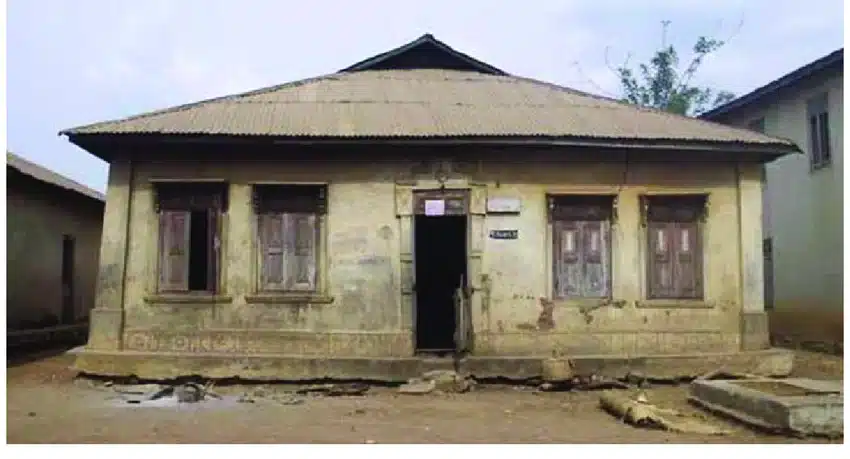
When you tell someone you’re from Ògbómọ̀ṣọ́, they may ask, “Ọmọ Ilé wo ni ọ́?” The “Ilé” they’re referring to are houses as old as Ògbómọ̀ṣọ́ itself, found in areas like Òkélérin, Òsùpá, Tàràá, Ìsàlẹ̀-Àfọ̀n, and the like, not new or developing houses.
Many of these houses were established during the reign of Sóùn Arẹ̀mú Oluwusi, whom historical accounts place on the throne from around 1826 to 1840, when 143 towns and villages fleeing the Fulani jihad wars sought refuge in Ògbómọ̀ṣọ́. Whether you know the house or not, whether you’ve ever set foot in it or not, it’s an identity every Ògbómọ̀ṣọ́ descendant carries with pride.
My late grandmother once told me how this knowledge separated those who were stranded from those who weren’t. In November 1969, the government of Ghana gave foreigners just two weeks to leave the country. Ògbómọ̀ṣọ́ traders living there at the time were among those affected. According to her, those who could clearly trace their Ilé and lineage back home in Ògbómọ̀ṣọ́ found it easier to establish who they were and where they truly belonged, while those who couldn’t were left far more exposed and stranded in that crisis.
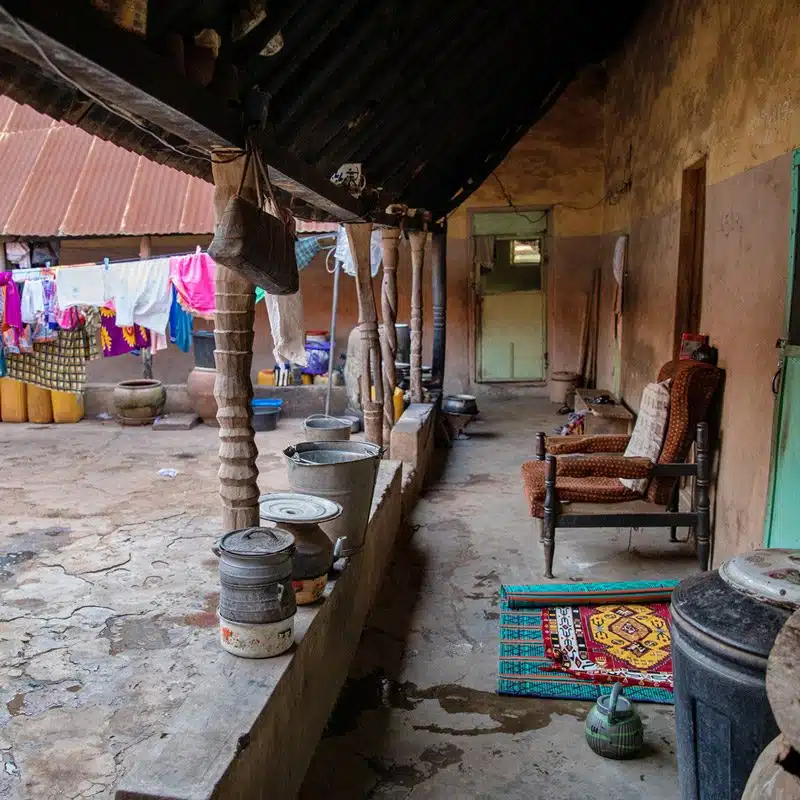
Káà, ọ̀ọ̀dẹ́, or ìkangun refers to sections within the house. People can belong to the same family compound and still differ in standing, sometimes tribal marks separate the original members of the house from those who joined it as slaves who were, over time, integrated into the family. It’s why you’ll sometimes hear that certain sections of a ruling house are not entitled to the throne.
Most of these houses in Ògbómọ̀ṣọ́ are now empty and dilapidated. While it’s only natural for descendants to move out, start their own families, and grow beyond those houses, I strongly believe these compounds should be maintained and renovated as a way of preserving history, serving as cultural monuments for generations to come.
Two years ago, my good friend Àyánkọ́lá Àyánwuyì and I began working on a documentary titled “A Road From Ògbómọ̀ṣọ́ to Jos.” It tells the beautiful story of how Ògbómọ̀ṣọ́ people found a second home in Jos. We will hold private screenings of the documentary in Ògbómọ̀ṣọ́ and Jos in the first week of September.
Business Email — hello@johnsonokunadea.com