Home Blog Contact

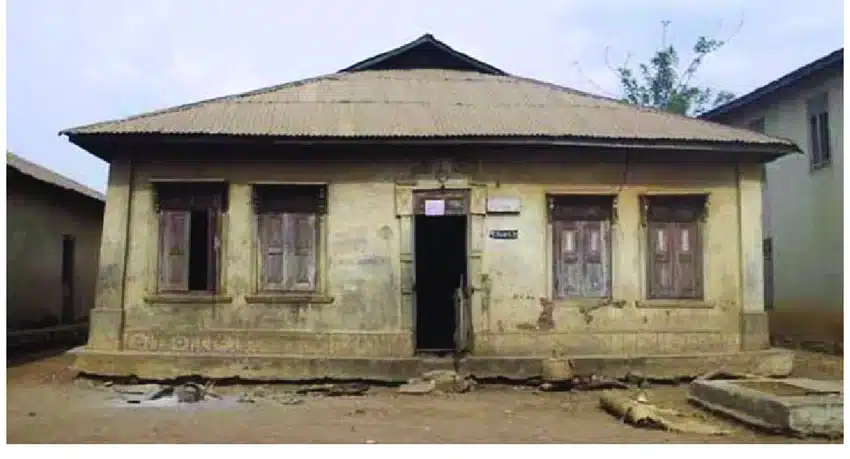
How Far Can an Ilé Travel? A Discovery in Jos
How Far Can an Ilé Travel A Discovery in Jos

While shooting the documentary “A Road From Ògbómọ̀ṣọ́ to Jos” with Àyánkọ́lá Àyánwuyì, we kept hearing names like Ilé Ọdẹ́fárá, Ilé Ayétòrò, Ilé Mágàjíyá, Ilé Ìdòwú, and so on, right here in Jos. I was genuinely shocked that this concept had travelled that far from home and was still so alive among Ògbómọ̀ṣọ́ settlers in … Read more

Àyánkọ́lá Àyánwuyì: The Co-producer of “A Road From Ògbómọ̀ṣọ́ to Jos”

Àyánkọ́lá Àyánwuyì is a Àyánkọ́lá Àyánwuyì is a cultural practitioner, cultural researcher and cultural educator. It’s on that basis that we became bosom friends. He is the founder and executive director of Dùndún Centre (formerly AIF Yorùbá Cultural Centre), and has produced numerous quality Yorùbá cultural documentaries, earning recognition across the globe. He is the … Read more

Introducing the Documentary: A Road From Ògbómọ̀ṣọ́ to Jos

A Road From Ògbómọ̀ṣọ́ to Jos 4

A new historical documentary titled “A Road From Ògbómọ̀ṣọ́ to Jos” is set for release, chronicling the story of how generations of Ògbómọ̀ṣọ́ indigenes built a second home for themselves in Jos, Plateau State. The project is the work of two Ògbómọ̀ṣọ́-born culture lovers, Àyánkọ́lá Àyánwuyì and Johnson Akínrìnadé Okùnadé, who began production in 2024 … Read more

20 Years After: Fóyèkẹ́ BABÁṢỌLÁ

Today makes it 20 years since my beloved grandmother, Fóyèkẹ́ BABÁṢỌLÁ, Àtọ́kẹ́ Ọ̀kín, Ọmọ Alápà Mọnjọra, went to be with the Lord. Twenty years have passed, yet my memories of my maternal grandmother remain vivid, almost untouched by time. Perhaps it is because she was the only grandparent I grew up knowing, and her presence … Read more

AKẸ̀YỌ́: How Sàngó’s Filial Quest Transformed Ọ̀yọ́ Royal Identity

Aláàfin Sàngó

Sàngó Tella-Oko, the third Aláàfin of Ọ̀yọ́, once felt a deep desire to perform an act of filial piety by worshipping at his mother’s grave. Tragically, she had died when he was just a babe, leaving him without even the memory of her name. Aláàfin Sàngó’s mother was Torosi, the daughter of Elempe, a powerful … Read more

Asofẹ́yẹjẹ War of 1844: Ògbómọ̀ṣọ́’s Victory Over Ìlọrin, Instigated by Ìbàdàn 

Baale of Ogbomoso, this photo was taken by 19th century's European visitors to Yorubaland by the name Rev. Halligey Between 1871 and 1880 Asofẹ́yẹjẹ

During the Bátẹ̀dó/Ìjàyè War from 1844 to 1846, the forces of Ìbàdàn and Ìjàyè clashed fiercely. The alliance of Ògbómọ̀ṣọ́ was also sought by both sides. Ògúnrùnbi, a notable Ògbómọ̀ṣọ́ war chief, declared his support for Ìbàdàn without the permission of the Baálẹ̀. However, Baálẹ̀ Jayéọlá Báíyéwùwọ́n Kélébénìjà of Ògbómọ̀ṣọ́ and his council sided with … Read more

The Role of Ogbomoso and Aare Tóyèjẹ Àkànní Before 1840

Alaafin (Oba) of Oyo Adeyemi Alowolodu I (horseback) with his entourage, circa late 1890s Oyomesi

Before Emir Abdulsalam, the son of Alfa Alimi, became the first Emir of Ilorin, the city was ruled by Láderin, Pàsín, Alùgbìn, and Àfọ̀njá. Alfa Alimi was a traveling Islamic scholar who arrived in Ilorin to spread Islam. Although Islam had already been introduced to Yorùbáland—particularly in Ẹdẹ, Ìwó, and Ọ̀yọ́—by Islamic scholars from Mali, … Read more

Lisabi Agbongbo Akala: The Heroic Guardian of Egba Legacy

The Alake of Egba in the late 19th Century Lisabi Agbongbo Akala

The Egba people, often referred to as the children of Lisabi, are a prominent sub-tribe of the Yoruba who inhabit the southwestern part of Nigeria. As the largest ethnic group within Ogun State—one of Nigeria’s 36 states—the Egbas are a significant force in the cultural and historical landscape of the region. Nestled between their neighbours, … Read more

Sorry, cannot copy or rightclick.